
Guia Completo de Day Trade no Forex
📈 Aprenda tudo sobre day trading no Forex: conceitos, estratégias avançadas, gestão de risco e controle emocional para melhorar seus resultados no mercado.
Editado por
Thiago Martins
The forex market runs 24 hours a day during the business week, making it unique compared to other financial markets. Essentially, it never sleeps because it operates across global time zones, hopping from market to market as trading centers open and close.
Here's the crux: forex trading isn't about picking just any time to trade; timing is everything. The market opens on Sunday at 5 PM Eastern Time (ET) in Sydney and closes on Friday at 5 PM ET in New York. Within this span, there are four main sessions influenced by major financial hubs:
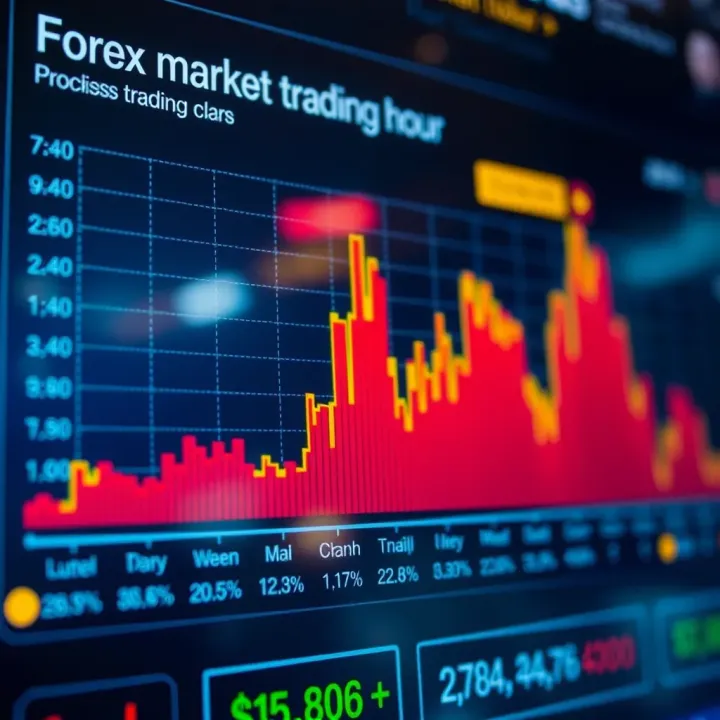
Sydney session: Starts around 5 PM ET and runs until 2 AM ET.
Tokyo session: Overlaps Sydney, running from 7 PM ET to 4 AM ET.
London session: Starts at 3 AM ET and closes at noon.
New York session: Begins at 8 AM ET and ends at 5 PM ET.
The overlap between the London and New York sessions typically shows the highest trading volume—and thus more volatility—presenting opportunities for active traders.
Understanding these sessions helps you gauge market activity and liquidity. For example, trading during off-hours might mean less liquidity and wider spreads, making it costlier to enter or exit positions. Conversely, during London/New York overlap, price movements are faster and tighter spreads make trading cheaper.
Keep these practical tips in mind:
Match session times to your trading strategy: Scalpers often prefer high volatility periods like the London/New York overlap, while swing traders may benefit from the steadier trends during quieter sessions.
Monitor economic news releases: U.S. and European data often hit during their respective market hours, impacting currency pairs linked to those economies.
Plan for timezone differences if you trade forex from outside these major hubs: This can affect when you catch the best market moves.
The bottom line is this: knowing when the forex market’s busiest hours occur can shape smarter decisions and better risk management. That said, trading around active sessions isn’t about just chasing movement—it’s about aligning your approach with market rhythms to improve chances of profitable outcomes.
Understanding forex market hours is fundamental for anyone serious about currency trading. The forex market operates across different time zones worldwide, running nearly 24 hours a day during weekdays. Grasping when specific markets open and close can help traders pick the best times to trade, manage risk properly, and avoid times of low activity that could lead to slippages or unfavorable price movements.
The forex market never truly sleeps because it’s a global network of banks, brokers, and financial centers. It kicks off with the opening of the Sydney session in the Asia-Pacific region, then flows into Tokyo’s financial hub, moves to London’s heavy hitters in Europe, and finally lands in New York, the bustling center for North American trading. Each session connects seamlessly to the next, creating continuous market activity from Sunday evening to Friday evening Eastern Time.
For example, if you’re trading the USD/JPY pair, you'll notice higher liquidity and tighter spreads during Tokyo and New York hours but less volume during the Sydney session. Knowing this helps a trader decide when to enter or exit trades efficiently.
Market hours influence volatility, liquidity, and the potential for quick price spikes. Take the overlap between the London and New York sessions—roughly 8 AM to noon Eastern Time—when volume surges and price movements can accelerate. Traders seeking active markets often prefer this period to maximize opportunities.
On the other hand, weekends and major holidays mean low activity, so trying to trade then can lead to poor execution and wider spreads. Not all currency pairs behave the same throughout the day either; some pairs linked to specific economies see consistent activity only during their home markets’ open hours.
Traders ignoring market schedules risk getting caught in unpredictable price swings or low-volume traps. Understanding hours leads to smarter, safer trading decisions.
In short, forex market hours shape when you should trade, how you should set your stops and targets, and when to be patient and wait for better conditions. This knowledge isn’t just theoretical — it’s practical and directly impacts your trading results.
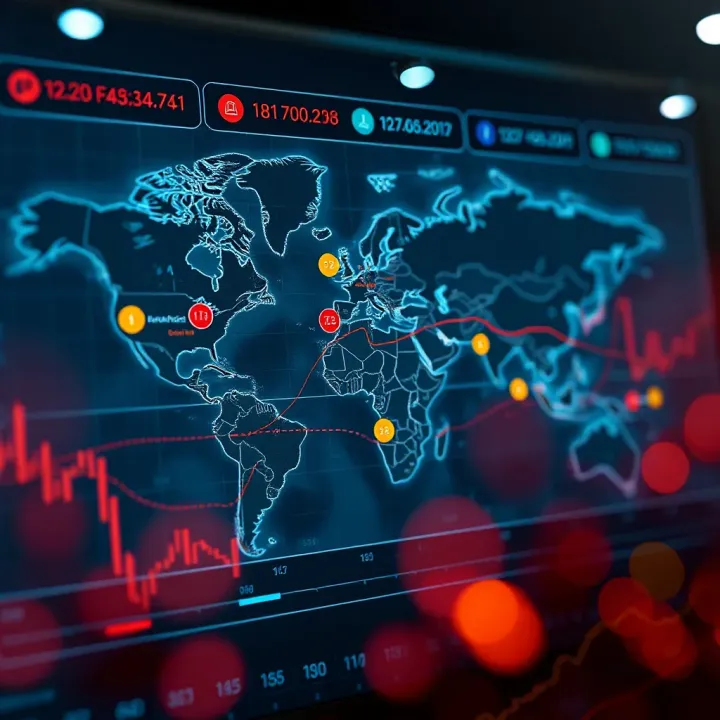
The forex market is divided into major trading sessions based on the business hours of key financial centers around the world. Understanding these sessions and their time zones is crucial because currency pairs often behave differently depending on which market is active. For traders, knowing when these sessions open and close helps pinpoint the best times to trade and anticipate market volatility.
The Asian trading session kicks off with the Tokyo market, starting at 7 PM and running until 4 AM Eastern Time (ET). Other important financial hubs like Singapore and Hong Kong also contribute to this session’s activity. During this time, the market tends to be quieter with lower volatility compared to European and American sessions, but it’s still significant for trading pairs involving the Japanese yen (JPY), Australian dollar (AUD), and New Zealand dollar (NZD). For example, USD/JPY often moves with more predictable patterns in this window, offering opportunities for traders who can catch these quieter swings.
The European session is often viewed as the most active and influential among the three major sessions. It starts around 3 AM and ends at 12 PM ET, centered on major markets like London, Frankfurt, and Paris. This session overlaps with the Asian close and the beginning of the North American session, which increases liquidity and trading volumes. Currency pairs involving the euro (EUR), British pound (GBP), and Swiss franc (CHF) see heightened activity. For instance, during London hours, EUR/USD displays rapid price changes and higher volatility that traders can capitalize on, but it also demands solid risk management due to the faster pace.
The North American session begins with the New York market opening at 8 AM ET and closes at 5 PM ET. This session overlaps with the European close, which creates a peak period of trading volume and volatility, especially in the first few hours. USD pairs, including USD/CAD and USD/MXN, show notable movements. Traders should pay attention to economic data releases from the US during this time, such as employment reports or Fed announcements, as these can trigger steep market swings.
Understanding the time zones and characteristics of these major forex sessions lets you align your trading strategy to the periods of highest liquidity and volatility, improving entry and exit decisions.
By tracking these sessions and their overlaps, you can better schedule your trades, avoid low-liquidity times, and capitalize on market behaviors specific to each region. Familiarity with time zones also helps prevent avoidable mistakes caused by trading outside key hours, which is especially valuable for managing risk and optimizing gains.
Timing your trades right can make a big difference when trading forex. Currency prices move based on supply and demand, which fluctuate depending on market activity. Knowing when the market is active helps you catch stronger price moves and better opportunities.
The periods when two major forex sessions overlap usually see the highest volume and volatility. This means more traders are active at the same time, pushing prices with bigger swings. The most notable overlap is between the London and New York sessions, roughly 8 AM to 12 PM EST. During these hours, liquidity peaks and spreads tighten, making it easier to enter and exit trades without slippage.
For example, if you're trading the EUR/USD or GBP/USD pairs, this overlap often presents clear entry points due to increased market participation. On the other hand, the overlap between Tokyo and London sessions (around 3 AM to 4 AM EST) tends to be quieter but still can create opportunities in Asia-Pacific currencies like the JPY and AUD.
There are times when forex markets slow down — typically during the transition between sessions or late U.S. market hours after New York closes. These low liquidity periods often show thin order books, wider spreads, and erratic price movements. Trading during these windows can be risky because prices might jump unpredictably just from a few orders.
For instance, trading late Friday U.S. hours or the early Monday Asian session before Tokyo opens usually means fewer participants are active. This results in choppier charts and less reliable signals. Many experienced traders steer clear during these times or use strategies designed for low volume settings, like range trading with tight stops.
Bottom line: Focus your trading during session overlaps when volume and volatility are higher, and avoid or be cautious during quiet periods with low liquidity to manage risk and improve trade execution.
Understanding these timing nuances and adjusting your trade approach accordingly will help you avoid frustration and increase your chances of success on the forex market.
Adapting your trading strategies to align with forex market hours is more than just a smart move—it's essential for success. The forex market operates non-stop during the workweek, but not every moment offers the same opportunities or risks. Understanding when to execute specific strategies helps you catch high liquidity periods while steering clear of times that can cause unnecessary losses.
Each trading style thrives under different market conditions. For instance, scalpers benefit during peak activity—when spreads tighten and price movements happen fast. The overlap between the London and New York sessions is a perfect playground for scalping, providing plenty of volume and volatility. On the flip side, swing traders prefer steadier conditions, often found during the quieter hours like the Asian session. Here, they can focus on longer-term trends without the erratic price spikes seen during overlaps.
Day traders, who close positions daily, can fine-tune their schedules around economic releases and session overlaps to maximize price movement.
Scalping: Optimal from 8 AM to 12 PM ET during the London-New York overlap.
Day Trading: Active during major news releases, typically around 7 AM to 10 AM ET.
Swing Trading: Leans on the Asian session's steadier pace, e.g., between 7 PM and 4 AM ET.
Risk management isn't just about stop-loss orders—it also depends heavily on when you trade. Volatile times can mean quick gains but rapid losses as well. Traders who ignore timing might jump into the market right before major announcements or during thin liquidity periods, which exposes them to slippage or unexpected price gaps.
For example, trading right before the U.S. jobs report can be risky since the market often reacts unpredictably. Likewise, the early hours of the Asian session usually show low liquidity, raising the chance of erratic price moves.
Successful traders adapt risk controls like position sizing and leverage based on the market hours they operate in, reducing exposure during unpredictable times.
To manage risk effectively:
Shrink position sizes during sessions known for volatility.
Use wider stop-losses in illiquid hours to avoid being stopped out unfairly.
Stay out of the market or reduce exposure before major scheduled announcements.
Knowing how to match your trading approach and risk management with market hours allows you to make informed moves rather than gambling blind. This kind of strategy helps improve not just profits but long-term stability in your trading.
Forex market hours are shaped not only by geographic time zones and trading sessions but also by other key elements that impact trading volume and volatility. Economic releases and market holidays can cause sudden shifts in price behavior, so keeping an eye on these factors is essential for traders aiming to make smart decisions.
Economic data releases often pack a punch in the forex market. Reports like the U.S. Nonfarm Payrolls, Consumer Price Index, or Federal Reserve announcements can trigger rapid price swings. These reports are usually scheduled at fixed times—for example, the U.S. jobs report drops on the first Friday of each month at 8:30 AM Eastern Time. Knowing when these releases are scheduled helps traders anticipate spikes in volatility and adjust their strategies accordingly.
For instance, if you’re trading the EUR/USD pair, the release of eurozone GDP data can cause a noticeable impact. Traders often choose to step back or tighten stop-loss orders just before major reports. The timing of economic releases varies by country, so it’s smart to consult a reliable economic calendar tailored to your trading region. This helps avoid being caught off guard during thin liquidity periods or sudden market reactions.
The takeaway is to always check upcoming economic releases relevant to your currency pairs and prepare your trades around these events to manage risk effectively.
Forex markets don’t officially close like stock exchanges but liquidity tends to drop sharply during major national holidays. U.S. Federal holidays such as Thanksgiving or Christmas, or Chinese New Year in Asia, can lead to thin trading conditions. Low liquidity means wider spreads, less predictable price movements, and higher risk for traders.
Unexpected market closures can also happen due to geopolitical events, severe weather, or technical issues at major financial centers. For example, in the aftermath of Hurricane Sandy in 2012, certain New York-based forex operations faced disruptions. While such events are rare, they remind traders to have contingency plans and avoid overexposure during uncertain times.
To handle holidays and closures well, you might want to:
Review the holiday calendars of key financial centers like New York, London, and Tokyo.
Scale down your positions or avoid entering new trades on these dates.
Keep communication lines open with your broker about operational hours.
Understanding these additional factors rounds out your knowledge of forex market hours, equipping you to trade smarter by anticipating when the market behaves unusually. This foresight helps pitchers like investors, traders, and analysts dodge avoidable risks and tap into windows of opportunity.
📈 Aprenda tudo sobre day trading no Forex: conceitos, estratégias avançadas, gestão de risco e controle emocional para melhorar seus resultados no mercado.
📉 Quer entender como funciona a negociação Forex? Descubra os conceitos básicos, estratégias, riscos e dicas essenciais para operar no mercado de câmbio!
📈 Quer começar no day trade? Descubra conceitos, estratégias, análise técnica, riscos e dicas para disciplina emocional e aspectos legais. 🚀
📈 Aprenda o básico e as estratégias avançadas do day trading em criptomoedas. Gestão de risco, ferramentas e dicas práticas para operar com confiança.
Baseado em 6 avaliações