

Gestão de Risco Financeiro: Estratégias Essenciais
💼 Aprenda estratégias eficazes para gestão de risco financeiro, protegendo seus recursos e otimizando investimentos em cenários econômicos incertos.
Editado por
Gabriel Martins
Investing $60,000 might seem straightforward, but estimating the returns depends on several key factors. These include the type of investment, the duration you plan to hold the asset, and how much risk you’re willing to accept.
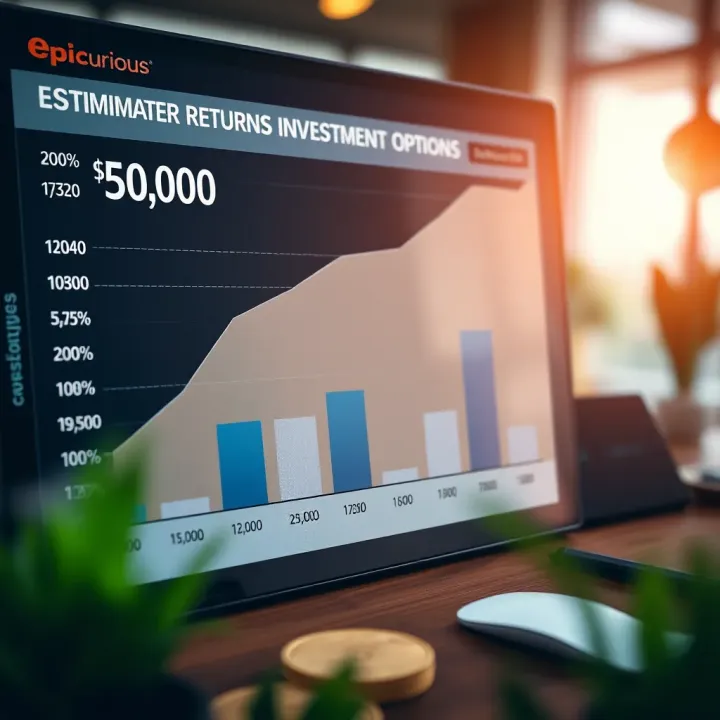
Not all investments are made equal. Here’s a quick rundown:
Stocks: Historically, U.S. stocks average a return of about 7%-10% annually over the long haul. However, year-to-year volatility can be high, meaning your investment's value might swing dramatically.
Bonds: Government and corporate bonds tend to offer lower returns, around 2%-5%, but with more stability. They’re usually the safer choice.
Real Estate: Depending on the market, real estate can offer returns through rental income and property appreciation, commonly averaging 6%-8% annually.
Index Funds: These track the market and often mirror stock returns but with lower fees, making them a popular choice for diversification.
Certificates of Deposit (CDs) and Savings Accounts: They offer minimal returns, usually under 2%, but with very low risk.
The length of time you keep your investment directly influences your returns. For example, investing $60,000 with an 8% annual return for 20 years can grow to about $287,000, thanks to compound interest. But if you pull out in 5 years, the growth is much less significant.
To get higher returns, you generally have to accept more risk. A high-risk tech stock might double your investment—or lose half within a year. Bonds won’t offer flashy gains, but they preserve capital better. Balancing risk and reward is key.
Bottom line: Knowing your risk tolerance and investment horizon helps you make realistic return estimates.
Identify your investment choice: Pick where you want your money allocated.
Check historic average returns: Use reliable sources like the SEC or financial research.
Adjust for time: Use compound interest calculators or formulas to see growth over your intended period.
Factor in fees and taxes: They can eat into your overall returns.
Understanding these basics places you in a solid spot to gauge how your $60,000 investment might grow and guides smarter financial decisions moving forward.
Getting a solid grip on how investment returns work is key if you’re planning to put $60,000 into the market. Knowing the nuts and bolts helps you set realistic goals and pick the right mix of assets that suit your financial situation and risk appetite. For instance, understanding how your money grows over time makes it easier to decide whether to hold onto a stock or cash out when a target gain is reached.
Interest rates and compounding play a huge part in how your investment grows. When interest is paid on both your initial investment and the accumulated interest, it creates a snowball effect—where your returns generate returns. Take a $60,000 investment earning 5% interest annually. After one year, you’d have $63,000, but by the third year, compounding pushes that amount closer to $69,000, even if you don’t add more money. This magic of compounding is why timing matters — the earlier you invest, the more your money can work for you.
Market volatility and economic conditions are unavoidable factors that can swing your returns. The stock market, for example, can jump sharply one day and dip the next, influenced by everything from Fed announcements to geopolitical events. Imagine buying stocks during a booming economy — chances are, your investment will climb steadily. But if a recession hits, your $60,000 could temporarily lose value. Understanding this volatility helps you avoid panic selling and stay focused on long-term results.
Investment timeframe is crucial when estimating returns. If you’re looking at a short horizon, say 1 to 3 years, you might prioritize stability over growth, choosing bonds or CDs to avoid sudden losses. On the other hand, over a decade or more, stocks or real estate tend to provide better growth potential despite ups and downs. For example, the S&P 500 has historically averaged about 10% per year over 10 years, but those returns aren’t guaranteed year to year.
Capital gains happen when your investment's value increases and you sell for more than you paid. Say you bought shares of Apple at $100 a piece, and a few years later, they’re trading at $150. Those extra $50 per share represent capital gains. This growth is often a main attraction for investors seeking to grow their $60,000 over time, but gains can fluctuate depending on market conditions and company performance.
Dividends and interest provide income beyond just price appreciation. Dividends are payments companies make to shareholders out of profits, while interest comes from things like bonds or savings accounts. If you put part of your $60,000 into dividend-paying stocks or bond funds, you might get a steady cash flow that can be reinvested or used as income. For example, a stock yielding 3% dividends adds a layer of returns even if the price stays flat.
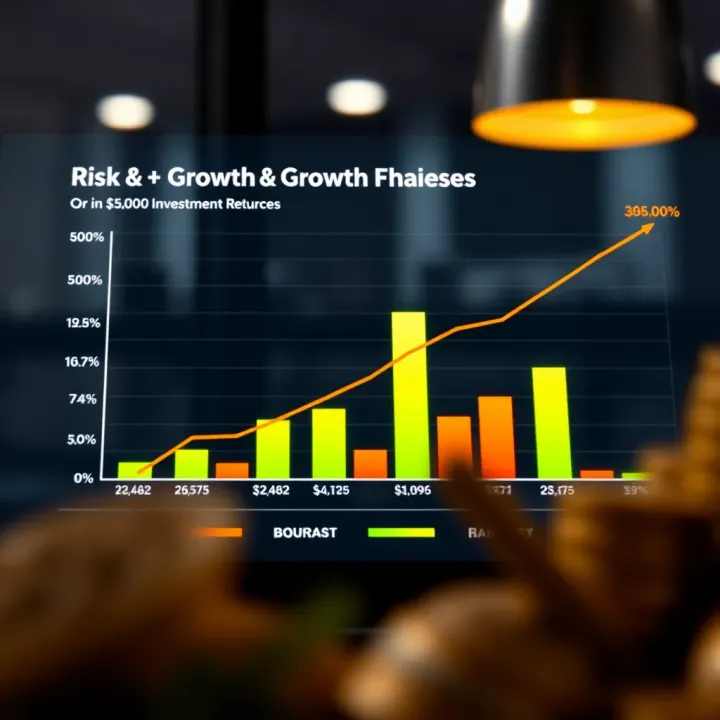
Inflation impact is often overlooked but critical. Even if you earn 5% returns, if inflation is running at 3%, your real growth is only about 2%. Over time, inflation erodes purchasing power, which means your $60,000 needs to grow enough just to maintain its value in today’s dollars. This is why targeting returns above inflation is essential for building actual wealth rather than just paper gains.
The bottom line: Understanding what drives investment returns — like compounding, market ups and downs, the length of your investment period, and the nature of your returns — sets you up for smarter decisions. It helps you manage expectations and build a strategy tailored to your financial goals and the market’s realities.
When deciding how to invest $60,000, understanding the available options is key. Each investment type carries its own risk profile, growth potential, and liquidity, which helps tailor your strategy based on your financial goals and risk tolerance. Let’s break down some practical choices to guide your decision.
Individual stocks give you a direct stake in companies you believe will grow. Picking stocks like Apple or Tesla means your returns depend on those companies’ performance and the broader market mood. While this choice offers high growth potential, it also swings wildly, so it's essential to research thoroughly or consult insights from market analysts.
Exchange-traded funds (ETFs) offer a simpler path for diversifying your $60,000 investment. Funds like the SPDR S&P 500 ETF (SPY) let you own a slice of hundreds of companies with less risk than picking individual stocks. ETFs provide liquidity—you can buy or sell shares throughout the trading day—and generally come with lower fees compared to mutual funds.
Bonds and bond funds act like loans you give to governments or corporations, in return for periodic interest payments. For example, US Treasury bonds offer low risk, making them attractive if you want steady returns and capital preservation. Bond funds pool money to invest in various bonds, reducing risk through diversification, which suits investors looking for a more stable income stream.
Certificates of deposit (CDs) are bank-issued products with fixed interest rates and terms, such as 1 to 5 years. If guaranteed returns appeal to you, CDs are worth considering since your principal and interest are insured by the FDIC up to $250,000. However, early withdrawal penalties limit their flexibility.
Real estate investment trusts (REITs) let you invest in property without buying physical real estate. REITs like the Vanguard Real Estate ETF (VNQ) generate income through rents, making them beneficial for steady dividends and potential appreciation. They provide diversification outside the stock and bond markets and are relatively liquid.
Peer-to-peer lending and others open doors to lending money directly to individuals or small businesses through platforms like LendingClub. This alternative can yield higher interest rates but carries more risk if borrowers default. Other options like commodities or cryptocurrencies fit niche strategies and should be approached cautiously with sound research.
Picking the right mix of these investment options can help balance growth, income, and risk to meet your personal financial goals. With $60,000, you have solid room to diversify thoughtfully across these categories.
Understanding how your $60,000 investment might grow over time is key to making smart financial decisions. By estimating potential returns, you get a clearer picture of what to expect, helping set realistic goals and manage your risk appetite. Whether you're aiming for quick gains or steady growth over the years, knowing the timeline and return outlook influences where and how you invest.
Typical returns within 1-3 years tend to be modest and often unpredictable. For example, if you put your $60,000 into a diversified stock ETF, you might realistically expect somewhere between 3%-8% annual returns in the short run. That sounds decent, but markets can swing quickly, and a few bad months can wipe out gains. Short-term bonds or CDs usually offer lower returns around 1%-3%, but with less risk. So, if you need your investment to grow within a few years—like saving for a down payment soon—you'll likely face trade-offs between safety and speed.
Risks and volatility in the short term are significant factors to consider. Market volatility means your investment value could dip considerably before it climbs back up. For instance, in a market downturn, a $60,000 stock portfolio could shrink to around $50,000 or less briefly. This rollercoaster effect is why short-term investing often requires a tolerance for fluctuations and a clear exit strategy. For those who can't stomach sudden losses, sticking to safer, more stable assets might make better sense.
Historical average returns over 10+ years provide a more optimistic picture. The S&P 500, for example, has historically returned about 7%-10% annually when averaging out the ups and downs. If your $60,000 investment aligns with this trend, and assuming a steady 8% return, your money could roughly double every 9 years. This long view smooths short-term dips and rides out market cycles, often rewarding patient investors.
Power of compounding and reinvestment plays a huge role in wealth building. When you reinvest dividends or interest, your returns generate their own returns, creating a growth snowball effect. For example, reinvesting dividends from a mutual fund can significantly add to your total gains over decades. With $60,000, this means your investment won’t just grow from your initial principal but also from the accumulated earnings, accelerating growth faster than simple interest ever could.
Bottom line: estimating returns over different time horizons helps you align your strategy with your goals and risk tolerance. Short-term gains can be tempting but are often less predictable, while the long-term route offers steadier growth through compounding and market recovery.
By keeping these points in mind, you'll be better equipped to make smart moves with your $60,000 investment, whether you’re aiming for a quick boost or steady wealth accumulation.
Investing $60,000 isn't just about chasing profits; it's about understanding the risks involved and setting realistic goals. Knowing what you’re getting into helps avoid unpleasant surprises and keeps your investment journey steady. Taking stock of risks and managing expectations is a critical step that every investor, trader, or analyst should consider before putting money to work.
Higher potential returns come with higher risk. It’s a simple truth: investments that promise bigger payoffs usually come with a higher chance of losing money. For example, investing your $60,000 solely in a volatile tech startup stock could lead to large gains—or steep losses—in a short time. On the other hand, putting that money into government bonds generally offers more stability but delivers lower returns. Understanding this balance helps you avoid overcommitting to high-risk ventures that don’t fit your comfort zone.
Diversification benefits. Spreading your money across different asset classes—such as stocks, bonds, and real estate—helps cushion the blow when one investment takes a hit. Think about it like a sports team: relying on only one player can backfire; a balanced lineup increases the chance of a win. With $60,000, you might allocate part to a low-cost S&P 500 ETF, some to corporate bonds, and perhaps a slice to a real estate investment trust (REIT). This mix lowers the overall risk because these assets often react differently to market changes.
Aligning investments with financial goals. Your investment choices should reflect what you want to achieve. Looking for a down payment on a home in three years means you’ll want safer, more liquid assets. But if saving for retirement in 30 years, you can accept more risk for the chance of higher returns. Clearly defining your goals helps pick investments that suit your timeline and financial needs, avoiding the pitfall of chasing returns that don’t match your situation.
Importance of emergency funds and liquidity. Before investing your $60,000, ensure you have an emergency fund covering three to six months of expenses. This safety net prevents the need to pull out your investments early, which could lead to losses or tax penalties. Liquidity matters here—the more readily you can access cash without selling investments at a bad time, the better. For instance, stocks and ETFs offer liquidity, but real estate or peer-to-peer loans might lock up your money longer, which isn’t ideal in an emergency.
The bottom line is to weigh risks realistically and tailor your investment plan to your personal goals and tolerance. This approach helps you keep your money working for you, without losing sleep over market swings or unexpected needs.
Taking practical steps to make the most of your $60,000 investment greatly improves your chances of meeting financial goals. It isn't just about picking the right assets; it's about how you put together and manage your portfolio over time. Smart decisions here can boost returns and limit losses, helping you avoid common pitfalls.
Combining different asset classes helps spread out risk. Think of it like not putting all your eggs in one basket. For instance, pairing stocks with bonds or real estate investments lowers the chance that a single market drop wipes out your entire $60,000. Each asset behaves differently under various economic conditions. Stocks might take a hit during a downturn, while bonds or real estate could hold steady or even rise.
This balance isn't just about safety—it also opens up multiple avenues for growth. Including international stocks or ETFs alongside U.S. equities and fixed income can expose your portfolio to opportunities you wouldn't have otherwise. In practice, you might allocate 50% to stocks, 30% to bonds, and 20% to alternative assets like REITs. This blend cushions shocks and smooths out returns.
Regular portfolio reviews are equally vital. Markets change, and so should your portfolio. Checking your investments at least twice a year helps you spot if one asset class is dominating or lagging too much. Maybe your stock holdings have grown from 50% to 70% of the portfolio, which ups your risk profile unintentionally.
A review allows you to rebalance, selling some of the overperforming assets and buying more in underrepresented areas. This process prevents drift and maintains your target risk level. Plus, reviewing keeps your investment aligned with any changes in your goals or financial situation, like planning for a child's education or retirement.
Impact of management fees and commissions shouldn't be overlooked. With $60,000 invested, even a seemingly low annual fee of 1% can shave off $600 a year from your returns. Over time, these fees compound and can erode a significant portion of your gains.
Choosing low-cost options like index funds or ETFs instead of actively managed funds often reduces fees. Also, watch out for trading commissions, especially if you rebalance frequently. Many brokerages now offer commission-free trades, which helps keep costs down.
Tax implications on gains and income matter too. Capital gains taxes apply when you sell an investment at a profit, and dividend income is taxed annually. For example, short-term capital gains (assets held less than a year) could push you into a higher tax bracket compared to long-term gains.
Holding investments in tax-advantaged accounts like IRAs or 401(k)s can defer or eliminate taxes on earnings. If you're investing in a taxable account, consider strategies like tax-loss harvesting, which involves selling losing investments to offset gains. Being mindful of taxes helps you keep a bigger slice of your investment growth.
The bottom line is, managing your portfolio actively, while keeping an eye on costs and taxes, makes your $60,000 work harder for you. Practical steps like diversifying, rebalancing, and tax planning turn good investments into better results.
💼 Aprenda estratégias eficazes para gestão de risco financeiro, protegendo seus recursos e otimizando investimentos em cenários econômicos incertos.

📈 Descubra como escolher o melhor curso de opções binárias, com dicas práticas e estratégias para iniciantes e avançados que buscam resultados reais.

💹 Entenda opções binárias com dicas para investir com segurança e descubra onde baixar wallpapers temáticos exclusivos para personalizar seu dispositivo. 🎨

📉 Aprenda a analisar o mercado financeiro pelo price action: estratégias, técnicas e suas aplicações práticas para investir com mais confiança. 💡
Baseado em 12 avaliações