
Guia Completo de Day Trading de Bitcoin
📊 Explore estratégias práticas e gestão de riscos no day trading de bitcoins para operar com segurança e eficiência no mercado de criptomoedas.
Editado por
Lucas Almeida
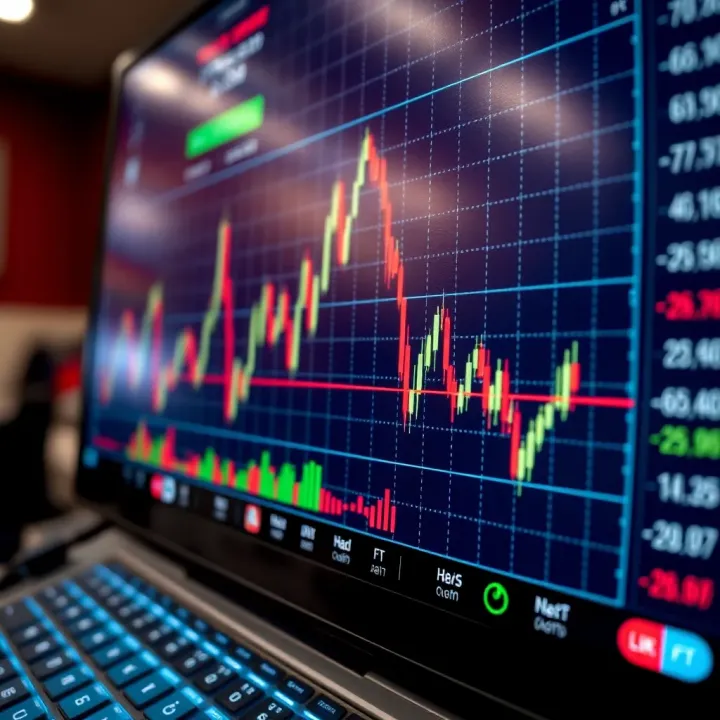
Tracking whether Bitcoin is up or down today isn't just about glancing at a random price ticker. Its price can swing by thousands of dollars within hours, influenced by a mix of market forces and external events. For traders and investors alike, staying informed is key to making smart moves.

Bitcoin's price fluctuates based on several concrete factors, including:
Market Demand and Supply: When more people buy Bitcoin, the price tends to climb. If more sell, it drops. This dynamic responds quickly to investor sentiment and major transactions.
Regulatory News: Announcements from governments, like changes in cryptocurrency regulations or bans, can send shockwaves through the price.
Adoption by Big Players: If companies like Tesla or major payment platforms announce support for Bitcoin, this often sparks buying interest.
Macro Economic Data: Inflation reports or Federal Reserve interest rate decisions influence investors' appetite for Bitcoin as an alternative asset.
Technical Factors: Bitcoin's on-chain metrics, such as transaction volume or mining activity, can hint at price trends.
Here's what you can do to get the real picture:
Use Reliable Exchanges: Platforms like Coinbase, Binance, or Kraken provide real-time prices and volume data.
Check Aggregators: Websites like CoinMarketCap or CoinGecko compile prices from multiple exchanges to give a weighted average.
Look at Timeframes: Don’t focus on minute-by-minute changes alone — seeing hourly or daily charts helps smooth out noise.
Consider Market Depth: The order book on exchanges shows pending buy and sell orders, which can signal upcoming price movements.
Knowing if Bitcoin is up or down today affects more than just bragging rights. Here’s why:
Risk Management: If Bitcoin's price drops sharply, traders might want to set stop losses or hedge their positions.
Entry and Exit Points: Investors can decide the best moments to buy or sell based on current trends.
Portfolio Balance: Bitcoin's volatility means it can quickly alter your portfolio’s risk profile.
Keep in mind, Bitcoin’s price swings don't always reflect long-term trends. A sudden dip doesn't necessarily mean the crypto bubble is bursting; it might just be a blip in a larger upward move.
Bottom line: To wisely handle Bitcoin investments, you need regular access to up-to-date market info and a clear understanding of the factors affecting its price today.
Knowing whether Bitcoin is up or down at any given moment isn’t just idle curiosity. For investors and traders, the ability to quickly check Bitcoin’s current market status helps with timely decisions that can mean the difference between profit and loss. Prices can swing fast, even within minutes, so staying updated is more than just keeping tabs—it's about staying ahead.
Picking the right source for Bitcoin price data matters a lot. Some well-regarded platforms include CoinMarketCap, Coinbase, Binance, and Kraken, each offering real-time pricing based on their exchange networks. For example, Coinbase is favored by many U.S.-based traders for its ease of use and link to traditional fiat currencies. Binance, on the other hand, aggregates lots of global orders, providing a broader sense of Bitcoin's demand worldwide.
But not all sources are built equal. Some websites might show delayed or averaged prices, which can mislead if you need an exact figure right now. Mobile apps like Blockfolio or Crypto Pro also send push alerts when Bitcoin hits your preset price points, making it easier to react quickly during volatile periods.
Bitcoin's price can vary slightly depending on the exchange you look at due to differences in supply, demand, and fees. For instance, prices on Binance might show $30,150 while Coinbase might list $30,200 at the same moment. This discrepancy happens because each exchange operates with its own user base, order book, and trading volume.
Traders often compare prices across several exchanges to spot arbitrage opportunities—buying Bitcoin cheaper on one platform and selling higher on another. However, it's crucial to factor in withdrawal fees and transfer times, which can eat into profits.
Moreover, watching the trading volume on exchanges helps gauge price reliability. A price change backed by significant trading volume signals stronger market support than a shift based on fewer trades. Exchanges with higher volume like Coinbase and Kraken tend to offer a more dependable picture of Bitcoin’s current value.
Bottom line: Checking Bitcoin's current market status means using trusted, timely sources and understanding the small but important differences between exchange prices. Together, these help you make smarter moves in the fast-paced crypto market.
Bitcoin's price shifts throughout the day aren’t random—they reflect a mix of market demand, economic factors, and regulatory moves. Getting a grip on these drivers helps investors and traders make sense of the price swings and decide when to act. Let’s break down the main factors that influence Bitcoin’s daily value.
The most direct force behind Bitcoin’s price is demand combined with how many people are buying or selling—the trading volume. When a big institution or a swarm of retail traders decide to buy, the increased demand pushes prices up. On the flip side, if sellers flood the market, prices tend to drop. For instance, last August, when Tesla announced a $1.5 billion Bitcoin purchase, demand surged and prices shot up quickly.
Trading volume matters too because high volume means more liquidity—Bitcoin can change hands more easily without causing wild price spikes. Low volume days often lead to sharper price swings since fewer trades can move the needle dramatically. Watching daily volume alongside price movements can give you clues about the strength and sustainability of a trend.
Bitcoin doesn’t operate in a vacuum. Worldwide economic news can sway its price. When inflation rises or central banks signal changes in interest rates, Bitcoin often reacts. For example, during economic uncertainty like the early months of the COVID-19 pandemic in 2020, Bitcoin initially dropped but then rallied as people sought alternative stores of value.
Currency instability in countries like Argentina or Turkey has also driven local demand for Bitcoin. That inflow increases global demand, nudging Bitcoin’s price upward. So, if major economies shift policies or face turmoil, expect some ripple in Bitcoin’s price.
Government announcements—and not just in the U.S., but worldwide—have a clear impact on Bitcoin’s daily price moves. When regulators clarify rules, it can either calm markets or trigger volatility.
Say the SEC announces a delay or denial of a Bitcoin ETF approval; you’ll often see an immediate price dip as investors adjust expectations. Conversely, countries embracing cryptocurrencies or simplifying rules—for instance, El Salvador’s Bitcoin legal tender move—can boost confidence and send prices up.
Keep an eye on announcements from regulatory bodies like the SEC, CFTC, and international equivalents. These often serve as immediate triggers for Bitcoin price swings.
Understanding these factors gives you an edge. By watching market demand and volume alongside global economic news and regulatory updates, you can better interpret today’s Bitcoin price changes and sharpen your investment or trading decisions.
Tracking Bitcoin's price trends offers valuable insights beyond just whether the price is up or down today. It helps investors and traders spot early signals about market sentiment and potential shifts in momentum. For instance, if today's price shows a steady climb compared to the last few days, it might suggest growing demand or investor confidence. On the other hand, a sudden dip could point to short-term panic or changing perceptions about external economic factors.
Looking at today's Bitcoin price against recent history provides context that raw numbers alone can't offer. Take a scenario where Bitcoin's price rises three percent today. While this sounds promising, comparing it to the past week’s performance might reveal it’s actually recovering from a sharper fall earlier. This comparison lets you understand if today's movement is part of a broader uptrend, just a bounce back, or an isolated blip.
Also, comparing with recent history highlights patterns like support and resistance levels. For example, if Bitcoin consistently struggles to climb above $30,000 but today breaks through with volume backing the move, that could signal a meaningful shift worth watching.
Bitcoin’s price swings often feel like a roller coaster, and short-term volatility is a big reason why. These rapid ups and downs typically result from factors such as large trades by whales, breaking news, or sudden shifts in trading volume. For example, when a major cryptocurrency exchange announces downtime, traders might rush to sell, causing abrupt price drops.
Market reactions to unexpected global news—like sudden regulatory announcements or macroeconomic data releases—also trigger these sharp moves. Short-term volatility provides both risk and opportunity: day traders may capitalize on these swings, while buy-and-hold investors might experience stress or suit up for the long haul.
Understanding today’s price movement in the context of broader trends and volatility allows investors to make smarter decisions and avoid reacting purely to noise. Clear insight into where Bitcoin stands compared to recent history and why prices jump or fall helps build confidence when navigating this fast-moving market.
Bottom line: don't just check if Bitcoin is up or down today—see what that move means historically and what caused the shake-up. It’s this perspective that lets you read the market more like a pro and craft effective trading or investing strategies.
Understanding the daily ups and downs of Bitcoin is more than just tracking numbers—it impacts how investors and traders make decisions. Knowing why Bitcoin moves helps avoid knee-jerk reactions that can cost money. For example, a spike due to a fleeting news event might tempt some to buy quickly, only to see prices drop soon after. On the other hand, slow but steady rises often reflect stronger market confidence, which could justify holding your position longer.
When Bitcoin's price rises sharply, some traders jump in hoping for quick profits. However, this approach carries risk if the rise is short-lived. A safer strategy is to set limit orders—these automatically sell Bitcoin when prices hit a target, locking in gains without watching the market constantly. For instance, if Bitcoin suddenly jumps 5%, setting an order to sell a portion can secure profits while leaving some exposure to further gains.
During price drops, panic selling can erode returns fast. Instead, consider dollar-cost averaging—buying small amounts at regular intervals regardless of price—to reduce the impact of volatility. Long-term investors might view dips as opportunities to increase holdings at lower prices. It’s like stocking up during a sale instead of paying full price every time.
Bitcoin’s volatility means managing risk is essential. One key way to protect your portfolio is diversification—don’t put all your eggs in one basket. Pairing Bitcoin investments with other asset types like stocks, bonds, or real estate helps cushion swings.
Stop-loss orders are another handy tool. By automatically selling your Bitcoin if the price hits a set low, they prevent bigger losses during sudden downturns. For example, if you buy Bitcoin at $30,000, setting a stop-loss at $27,000 limits your loss to roughly 10%.
Lastly, keep position sizes in check. Avoid investing amounts that would cause stress or trouble if lost. Treat Bitcoin trading like a portion of your total investment plan, not the entire thing. That way, you can stay calm and make smarter choices even when the market throws curveballs.
The bottom line is, understanding Bitcoin's daily movements helps investors and traders respond with clear strategies, balancing opportunity with caution for smarter decisions in a volatile market.
Keeping a close eye on Bitcoin's price every day is a smart move for anyone involved in crypto trading or investing. Bitcoin’s value can shift quickly due to things like market demand, news, or big moves in traditional finance. Staying updated lets you respond faster—whether you want to jump in on a price spike or cut your losses during a drop.
Mobile apps take the guesswork out of tracking Bitcoin’s price by delivering real-time updates straight to your phone. Apps like Coinbase, Binance, and Blockfolio offer customizable alerts that notify you when Bitcoin hits specific price points or changes by a certain percentage. For example, if you want to know the moment Bitcoin drops below $30,000, you can set an alert to buzz you right away—so you don’t have to stare at prices all day.
Besides price alerts, some apps provide market trends, news headlines, and portfolio tracking in one place. That means you can gauge market sentiment without jumping around between websites. These apps also sync across devices, so whether you check on a laptop or your phone, you’re always looking at the latest data.
Bitcoin doesn’t react just to numbers; it’s often influenced by what’s being said about it. Financial news outlets like Bloomberg or CNBC report on regulatory changes, companies adopting Bitcoin, or macroeconomic events that can move prices. Scanning headlines daily can help you understand the "why" behind sudden price moves.
Social media platforms, especially Twitter and Reddit's r/CryptoCurrency, are buzz hubs for Bitcoin chatter. Tweets from big crypto influencers or posts about exchange issues can send the market either soaring or tumbling. That said, social media is also a minefield for rumors and hype. Confirm important info with trusted sources before acting.
Staying sharp on Bitcoin’s daily movements means balancing objective data from apps with insights from news and social channels. Combining both helps investors and traders spot opportunities or warn signs early.
Here are a few quick tips:
Use multiple apps to cross-check prices and alerts.
Follow official accounts of exchanges and regulatory bodies on social media.
Look for patterns in news and social posts, not just single headlines.
Set specific, tailored alerts so you don’t miss critical price changes.
By making these tools part of your daily routine, you’ll keep your finger on the pulse of Bitcoin’s ever-shifting market.
📊 Explore estratégias práticas e gestão de riscos no day trading de bitcoins para operar com segurança e eficiência no mercado de criptomoedas.
📈 Descubra como escolher o melhor curso de opções binárias, com dicas práticas e estratégias para iniciantes e avançados que buscam resultados reais.
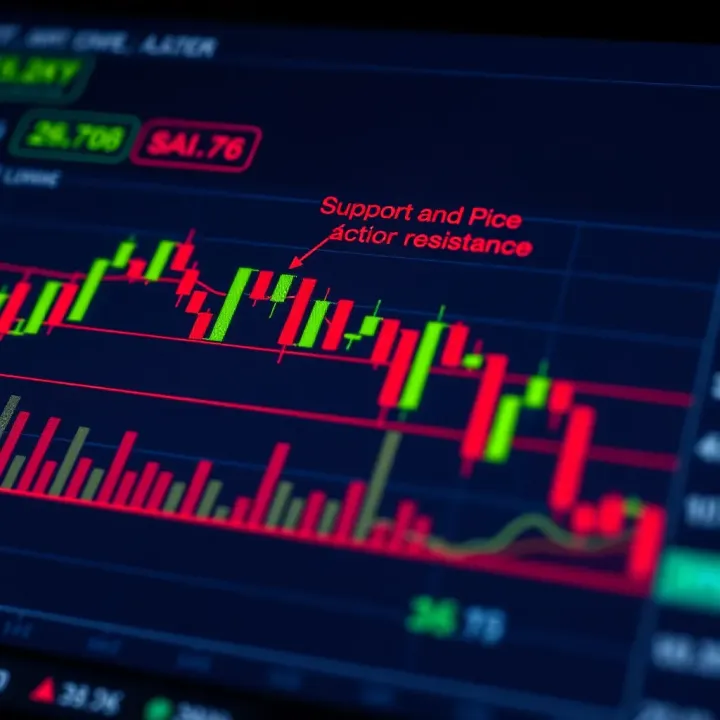
📉 Aprenda a analisar o mercado financeiro pelo price action: estratégias, técnicas e suas aplicações práticas para investir com mais confiança. 💡
📊 Entenda o que é negociação Forex, como o mercado de câmbio funciona, principais conceitos visíveis, riscos envolvidos e dicas para começar com segurança.
Baseado em 12 avaliações