
Price Action explicado por André Machado
📈 Entenda o Price Action com André Machado: técnicas, leitura gráfica e estratégias para aplicar no mercado financeiro com mais precisão e confiança.
Editado por
Ricardo Almeida
Bitcoin’s price never sits still. When looking at BTC quoted in Brazilian reais (BRL), it’s key to keep an eye on a few moving pieces that constantly shape its value.
Bitcoin prices can swing widely within a single day. This volatility comes from various factors like global demand, regulatory news, macroeconomic shifts, and key investor moves. For example, when Tesla announced its Bitcoin purchase in early 2021, BTC's price spiked worldwide — and that ripple showed directly in the real exchange.
Since Bitcoin trades mainly against the US dollar on global exchanges, the dollar-real exchange rate significantly affects BTC prices in BRL. If the real weakens against the dollar, the price of Bitcoin in reais might climb even if BTC’s dollar price stays steady. Think of it as layering currency risk on top of Bitcoin's own price moves.
Brazilian investors, traders, and platforms each play a part. Increased interest in cryptocurrencies in Brazil, driven by inflation worries or searches for alternative assets, can push demand — and prices — up locally.
Use Brazil-focused crypto platforms like Mercado Bitcoin or Foxbit for localized quotes.
Check real-time data feeds that combine dollar BTC prices with current USD/BRL exchange rates.
Follow Central Bank announcements, as sudden policy moves affect the real and, in turn, BTC/BRL pricing.
Staying updated on both Bitcoin’s global price and Brazil’s currency movements gives a clearer picture of BTC value in reais.
Understanding these price drivers helps make better trading or investment choices. For example, a trader might take advantage of short-term US dollar/real swings to time Bitcoin purchases or sales more profitably. Meanwhile, a long-term investor benefits from recognizing how Brazil’s economic factors influence BTC value beyond the crypto market itself.
By focusing on these core points, you’ll get a more grounded view of how Bitcoin’s price behaves daily in Brazilian reais — not just as an abstract figure but as a dynamic result of intertwined global and local forces.
Understanding how Bitcoin's price is determined and its influence worldwide is key for anyone tracking BTC prices in Brazilian reais. Bitcoin operates much like digital gold—it’s a decentralized asset built on blockchain technology, with a capped supply of 21 million coins. This scarcity combined with demand drives its value. You don’t own a physical token; instead, you hold cryptographic proof of ownership. This setup makes Bitcoin resistant to inflation from unchecked money printing, which is a strong draw for investors in places with volatile currencies.
Bitcoin’s price matters because it directly affects investment returns, trading strategies, and adoption levels globally. For example, when BTC's price swings, traders in Brazil see their potential profits or losses fluctuate, sometimes wildly, due to both Bitcoin's inherent volatility and changes in the real-dollar exchange rate. That’s why understanding its price dynamics helps investors time their moves better and manage risks more effectively.
The basic economic principle of demand and supply governs Bitcoin pricing. When more people want to buy BTC than sell, prices rise, and vice versa. Consider the 2020-2021 bull run: increased institutional interest and retail FOMO pushed prices up sharply. On the flip side, regulatory crackdowns or negative news often reduce buying and spike selling pressure, dragging prices down. In Brazil, this dynamic intertwines with local currency movements, adding complexity.
Bitcoin is essentially a digital ledger entry secured by massive computational work. It’s designed to function outside traditional banking systems. By removing middlemen, it offers peer-to-peer value transfer with transparency and censorship resistance. These features attract someone wary of centralized control or inflation.
Its limited supply embodies a scarcity similar to precious metals, attracting investors looking to hedge against currency depreciation. Brazilians facing local inflation see Bitcoin as an alternative store of value despite price volatility.
Price fluctuations directly influence market confidence and investment decisions. If BTC reliably grows, more investors may buy in, pushing prices up further. Investors in Brazil, for instance, must watch the BTC-BRL exchange rate closely since local currency shifts can amplify BTC’s value swings.
Moreover, Bitcoin's price impacts fees and transaction costs on various platforms. For merchants accepting BTC, rapid price changes introduce risks that affect pricing strategies and payment terms.
Bitcoin has no central issuer adjusting supply; instead, supply is fixed and released through mining rewards. This predictable issuance contrasts sharply with fiat currencies, where central banks can print money.
Demand varies widely based on sentiment, adoption levels, and external factors like corporate endorsements or regulatory announcements. For example, when a large company like Tesla or PayPal supports Bitcoin payments, demand tends to spike, thus raising prices.
Bitcoin price quotations depend heavily on activity in large exchanges like Binance, Coinbase, and Kraken. These platforms aggregate thousands of trades every minute, forming the primary source of price discovery. Prices can vary slightly between exchanges due to liquidity, fees, and geographic factors.
For Brazilian investors, exchanges that support BRL deposits and withdrawals influence local BTC pricing and accessibility, affecting market dynamics.
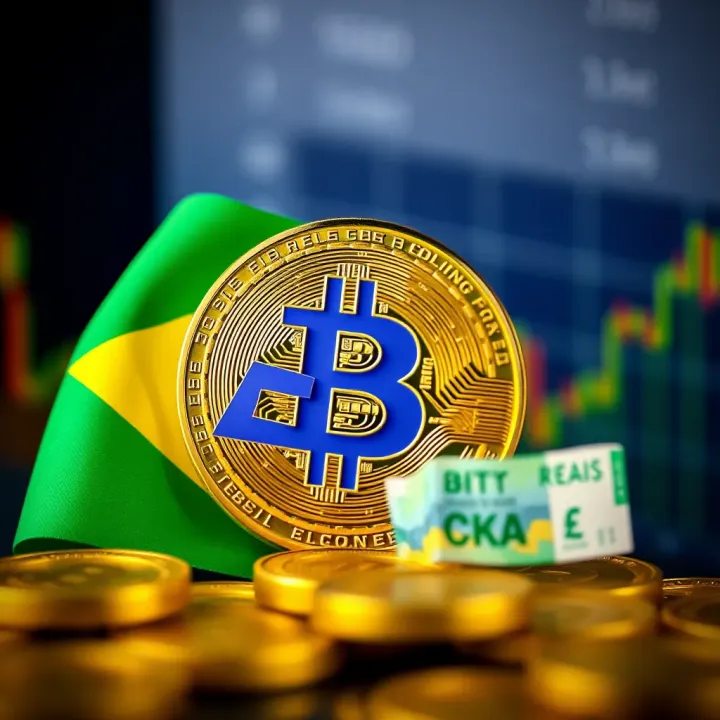
Announcements from regulators or governments worldwide can create sudden price moves. For instance, the U.S. SEC's stance on Bitcoin ETFs or China's crypto mining ban caused notable price shifts.
The global economy also sways Bitcoin, often seen as a hedge against inflation or geopolitical instability. In times of U.S. dollar weakness or inflation fears, Bitcoin’s price often reacts positively.
Unlike stocks or bonds, Bitcoin isn’t tied to corporate earnings or interest rates. However, it often behaves differently compared to traditional assets. Sometimes viewed as "digital gold," Bitcoin can provide diversification but also introduces higher volatility, which Brazilian investors should weigh carefully.
Bottom line: Understanding these layers of Bitcoin pricing—from its digital nature to global influences—equips you to better interpret Bitcoin’s valuation in Brazilian reais and anticipate market movements.
Monitoring Bitcoin prices in Brazilian reais (BRL) helps investors and traders in Brazil make informed decisions in a fast-moving market. Since Bitcoin trades globally, its value in BRL depends not just on Bitcoin itself but also on the real-dollar exchange rate and local market conditions. Keeping an eye on BTC prices in BRL is essential for anyone buying, selling, or holding Bitcoin in Brazil, offering practical insights into the current costs and risks.
Bitcoin doesn’t have a fixed price in any currency. Its value fluctuates based on supply and demand on global exchanges. To find the BTC to BRL exchange rate, the current dollar price of Bitcoin is multiplied by the U.S. dollar to Brazilian real exchange rate. For example, if Bitcoin is trading at $30,000 USD and the USD/BRL rate is 5.0, the approximate BTC price in reais would be around 150,000 BRL.
This method ensures the Bitcoin price reflects both global market movements and changes in the local currency. It's practical for Brazilian investors who want to understand how BTC’s dollar valuation translates into their native currency.
Brazilian currency exchanges play a key part in shaping BTC prices locally. These platforms allow users to buy and sell Bitcoin directly with reais, sometimes offering additional price discovery based on local supply and demand. In times of strong real volatility or capital flow restrictions, prices on these platforms can differ significantly from global averages.
Prices for Bitcoin may vary across cryptocurrency exchanges and financial platforms in Brazil due to factors like liquidity, trading volume, and platform fees. For example, some exchanges may list Bitcoin at 1-3% higher prices during times of intense demand, offering a snapshot of local market conditions. This underscores why traders often compare prices from multiple sources before executing large trades.
For accurate, up-to-the-minute BTC prices in BRL, trusted financial websites and mobile apps are top choices. Platforms like Bloomberg Brasil, Investing.com Brazil, and Yahoo Finance Brazil provide real-time updates, charts, and historical data crucial for analysis and quick decision-making.
Cryptocurrency exchanges based in Brazil, such as Mercado Bitcoin and Foxbit, also serve as reliable sources. They offer both price tracking and the ability to trade Bitcoin directly with reais. Brazilian exchanges often provide insights into withdrawal fees, transaction times, and local payment method availability, offering a full picture beyond just prices.
Mobile tools and alerts have become essential in this fast-paced market. Apps from major exchanges or independent aggregators can send push notifications when Bitcoin hits certain price levels or experiences significant movement. Traders and investors rely on these timely alerts to react swiftly, whether to capitalize on gains or limit losses.
Staying updated on Bitcoin prices in reais isn’t just about numbers. It’s about having the right tools and knowledge to navigate a volatile market with confidence and precision.
Tracking Bitcoin prices in BRL combines understanding currency conversion, monitoring local exchange behavior, and using trusted sources and tools. This approach empowers Brazilian investors to make smarter, timelier decisions in the crypto market.
Bitcoin’s price swings in Brazil aren’t just about global trends—they’re also shaped by local economic forces and how people in the country adopt cryptocurrencies. Understanding these factors gives Brazilian investors a clearer picture of why BTC prices can jump or drop seemingly out of nowhere.
The Brazilian real (BRL) is known for its ups and downs, influenced by political shifts, trade balances, and commodity prices. When the real weakens, Bitcoin priced in reais often appears more expensive, even if the dollar price stays steady. For instance, if the real drops 5% against the dollar, BTC costs roughly 5% more in BRL, which affects local investors’ buying decisions.
Currency volatility can also spur Brazilians to buy Bitcoin as a hedge, aiming to protect their savings from the real’s swings. This local demand can push Bitcoin prices up in the Brazilian market independently of global blue-chip factors.
Brazil’s inflation rate influences Bitcoin’s appeal as an alternative store of value. When inflation rises, the real’s purchasing power falls, nudging investors to look for assets that can outpace inflation. Bitcoin often enters the conversation here, though it behaves differently from traditional inflation hedges like gold.
Interest rate policies by the Central Bank of Brazil also matter. High interest rates usually make fixed-income investments more attractive, possibly pulling money away from Bitcoin. Conversely, when rates drop, Bitcoin can seem like a better gamble for higher returns. For example, the Central Bank’s rate changes in recent years have directly swayed crypto trading volumes.
Government rules on currency flow and crypto regulations play their part too. Brazil has relatively few capital controls compared to some countries, allowing freer movement of money, which makes crypto trading easier.
However, any upcoming tax rules or regulations targeting crypto transactions influence market sentiment. In 2023, discussions about clearer tax guidelines led to cautious buying behavior as investors awaited formal announcements.
Local economic twists like currency changes and government moves can cause Bitcoin prices in reais to behave quite differently from the global BTC price.
Brazil has seen a spike in cryptocurrency use, from urban centers to smaller cities. Local startups like Mercado Bitcoin and Binance’s Brazilian arm have made buying and selling BTC more accessible.
More Brazilians treating Bitcoin as a payment method or investment option means growing demand, which can lift prices locally. For example, a rise in BTC-based remittances or payroll programs directly affects trading volumes and pricing.
News outlets and social media buzz have a strong effect on Brazilians’ views of Bitcoin. Positive coverage around BTC success stories or endorsements by influencers can boost confidence and drive buying. Conversely, reports on crashes or scams can trigger sell-offs.
Platforms like Twitter, Telegram groups, and WhatsApp channels are common places for Brazilian traders to share tips and rumors, sometimes amplifying short-term price swings.
Brazil’s tax authorities require declaring crypto holdings and transactions, raising awareness but also caution among investors. Clear rules bring legitimacy, but they can also dampen speculative trading.
Ongoing debates over crypto regulation—whether it’s for combating money laundering or protecting investors—shape market sentiment. Any hints of stricter regulations can cause price drops as traders pull back.
All of these factors show why understanding Brazil’s local context is key for anyone tracking Bitcoin prices in reais. It’s not just about global BTC trends but also how the country’s unique economic scene and crypto culture come into play.
Understanding Bitcoin price trends is vital for Brazilian investors looking to navigate this volatile market. Price swings directly impact investment returns, influencing decisions on when to buy or sell BTC. With Brazil's unique economic conditions, grasping these trends helps investors manage risk and spot opportunities.
Bitcoin’s price can jump or plunge by double-digit percentages within days, sometimes hours. This volatility means investors in Brazil must be ready for sudden losses as well as gains. For example, during inflation spikes in Brazil, BTC might surge as a hedge—but that same move can reverse quickly when local news or regulations shift investor sentiment. Being aware of volatility helps you avoid making impulsive moves that could hurt your portfolio.
Despite the ups and downs, Bitcoin has shown strong growth over the longer haul. Brazilian investors who held BTC through recent market corrections saw significant returns compared to traditional savings accounts, especially during times when the real was weakening. This suggests Bitcoin can complement other assets in a diversified portfolio, offering a chance for higher returns over years rather than days or weeks.
Diversification is key to managing risk in any portfolio, and Bitcoin is no different. Investors in Brazil should consider allocating only a portion of their funds to BTC while balancing it with stocks, bonds, or real estate. This approach cushions against Bitcoin’s volatility. For instance, blending Brazilian ETFs and USD-denominated assets with BTC can reduce overall portfolio swings.
Not all exchanges are created equal, especially when dealing with BRL trading pairs. Brazilian users should prefer platforms like Mercado Bitcoin or Foxbit, which offer strong local support, BRL liquidity, and compliance with Brazilian regulations. Using a trusted exchange minimizes risks such as hidden fees or withdrawal delays, which can eat into investment returns.
Given Bitcoin’s volatile nature, timing buys and sells can make a big difference. Watching BTC price charts in real time and setting limit orders lets investors take advantage of dips without constant screen-watching. For example, placing a buy order slightly below market price during a BRL weakness phase can yield better entry points.
Security should never be an afterthought. Using hardware wallets, enabling two-factor authentication on exchange accounts, and avoiding public Wi-Fi for transactions protect your assets. Many fraud cases in Brazil involve phishing or fake apps, so sticking to well-established platforms and double-checking URLs can prevent costly mistakes.
Bottom line: Understanding Bitcoin price trends and applying practical investment tactics help Brazilian investors navigate the complex crypto terrain with confidence and safety. Stay informed, diversify smartly, and place security front and center to make the most of BTC investments in Brazil.
📈 Entenda o Price Action com André Machado: técnicas, leitura gráfica e estratégias para aplicar no mercado financeiro com mais precisão e confiança.
📈 Descubra como o price action revela o comportamento real dos preços no mercado, sem depender de indicadores. Técnicas práticas e dicas para traders.
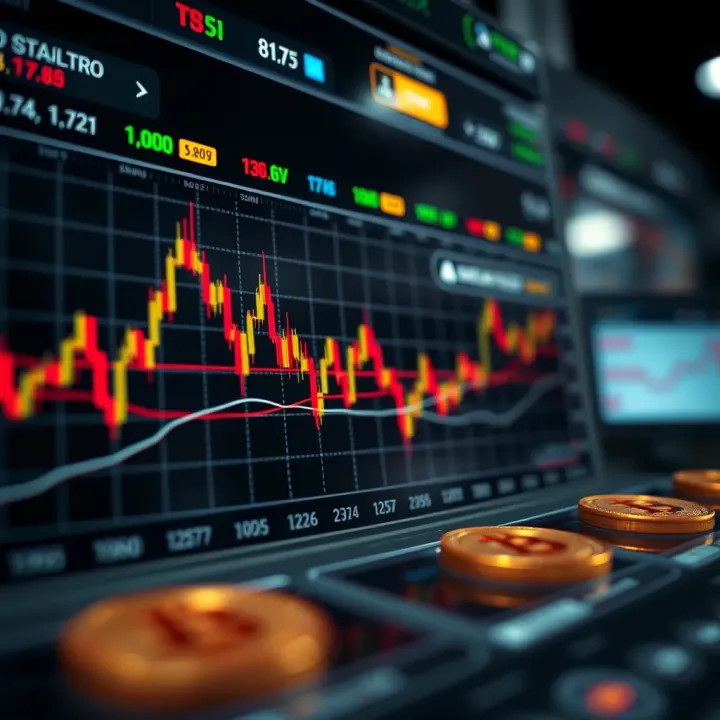
📊 Explore estratégias práticas e gestão de riscos no day trading de bitcoins para operar com segurança e eficiência no mercado de criptomoedas.

📈 Aprenda Price Action com nosso guia completo em PDF: conceitos, estratégias e dicas para entender o mercado sem depender de indicadores complexos.
Baseado em 5 avaliações